After a diplomatic team led by US Vice-President JD Vance tried, and failed, to reach a negotiated agreement to end the war with Iran on Saturday, President Donald Trump had to decide his next move.
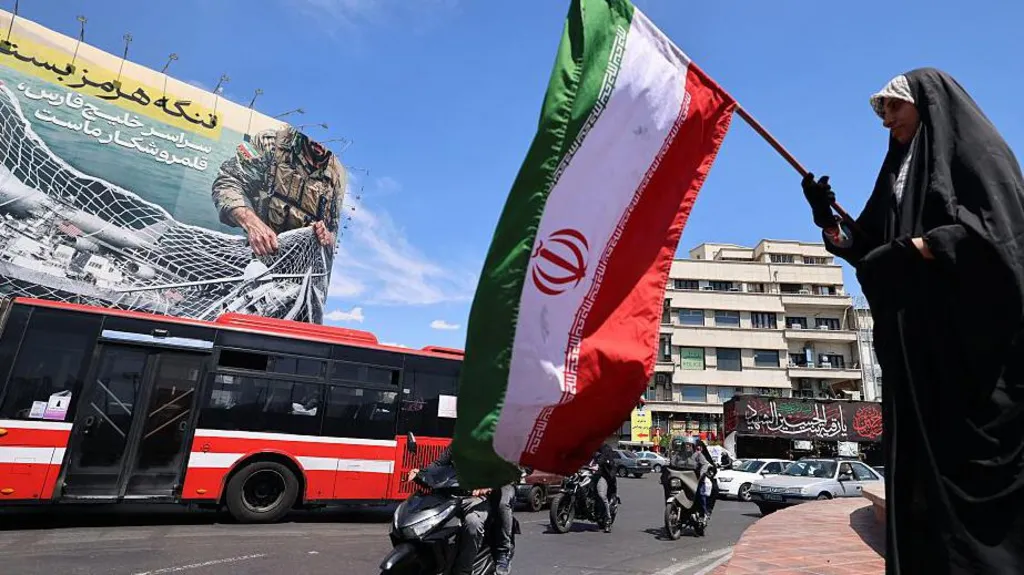
That came on Sunday morning, in a series of Truth Social posts.The US will impose a naval blockade of Iran, he wrote. "No one who pays an illegal toll will have safe passage on the high seas," he wrote.
He also said that the US would continue clearing mines from the Strait of Hormuz to ensure a safe passage for allied shipping. The US military, he added, was "locked and loaded" and prepared to resume attacks against Iran at an "appropriate moment".
He went on to say that while progress had been made in the 20-hour negotiations in Islamabad, Iran would not meet the US demand that it abandon its nuclear ambitions.That view was contradicted somewhat by a US official familiar with Vance's negotiations, who spelled out a much longer list of disagreements – including on Iran's control of Hormuz and its support for regional proxies, like the Houthi rebels in Yemen and Hezbollah in Lebanon.
While Trump's latest posts didn't have the apocalyptic bluster of last week's threat to end Iranian civilisation, they pose a number of new challenges – and risks – for the American side.